Jump Start Service 12V & 24V
Has a flat or discharged battery left your vehicle unable to start? AHS Recovery provides a professional jump start service for suitable 12V and 24V cars, vans and commercial vehicles. We assess the vehicle and battery system before attempting a controlled jump start.
Professional Help for a Flat Vehicle Battery
A vehicle battery can lose its charge because of cold weather, age, electrical use while the engine is off or a fault in the charging system. When the battery does not hold enough power, the engine may turn slowly, make a clicking sound or fail to start.
AHS Recovery provides car battery assistance for suitable vehicles with discharged 12V and 24V batteries. Before attempting a jump start, we ask about the vehicle, symptoms and events that happened before it stopped starting.
A jump start may get the engine running, but it does not repair a damaged battery, faulty alternator, starter motor problem or other electrical fault. If the vehicle still cannot start or continue safely, complete recovery may be required.
Need Help with a Flat Battery?
Call AHS Recovery on 07576 614651 and provide your vehicle make, model, battery voltage and the symptoms you notice when trying to start the engine.
Signs Your Vehicle May Need a Battery Jump Start
A flat battery can cause several clear symptoms, but similar signs may also result from other electrical or mechanical faults.
Clicking When Starting
A repeated clicking sound may mean the battery does not have enough power to operate the starter motor.
Slow Engine Cranking
If the engine turns more slowly than normal, the battery may be weak or discharged.
No Engine Response
The dashboard may light up while the engine does not turn when the key or start button is used.
Dim Interior or Dashboard Lights
Lights that appear unusually dim may indicate low battery power.
Electrical Systems Not Working
Central locking, dashboard displays or other electrical features may stop working when the battery is fully discharged.
Battery Warning Light
A battery warning light while the engine is running can indicate a charging-system problem rather than a simple flat battery.
Vehicle Left Unused
A battery can gradually lose charge when a vehicle remains unused for an extended period.
Lights Left On
Headlights, interior lights or other electrical equipment left running can discharge the battery while the engine is off.
These signs do not confirm that the battery is the only problem. The vehicle may still require recovery or mechanical assessment.
Jump Starts for Suitable 12V and 24V Vehicles
The correct voltage and connection procedure must be identified before jump-start equipment is attached. Using unsuitable equipment or an incorrect connection can damage the battery, electrical system or vehicle electronics.
Cars, Vans and 4x4s
Most cars and many smaller vans use a 12V electrical system.
Larger Vans and Commercial Vehicles
Some larger vans and commercial vehicles may use a 24V system.
We may be able to assist with:
- Cars using suitable 12V systems
- Small and medium-sized vans
- Suitable 4x4s and SUVs
- Certain commercial vehicles using 24V systems
- Vehicles with discharged batteries
- Vehicles that have been left unused
- Vehicles affected by electrical drain
- Vehicles with enough access to the battery or approved connection points
Provide the vehicle make, model, year and battery-system details where available. Some vehicles have specific manufacturer procedures that must be followed.
Details to Provide When Requesting a Jump Start
Provide:
- Exact vehicle location
- Vehicle make and model
- Vehicle year where known
- Whether it uses a 12V or 24V system
- What happens when you try to start it
- Whether dashboard lights appear
- Whether a clicking sound is present
- Whether the engine turns slowly
- Whether lights or accessories were left on
- How long the vehicle has been unused
- Whether warning lights appeared before the problem
- Whether the battery is damaged, leaking or swollen
- Whether the vehicle has been in an accident
- Whether battery access is restricted
- Any previous battery or alternator problems
Do not attempt a jump start if the battery is cracked, leaking, swollen, frozen or giving off a strong unusual smell. Move away from the vehicle and seek professional advice.
Our Vehicle Jump Start Process
Contact AHS Recovery
Call 07576 614651 and explain the starting problem.
Share Vehicle Details
Provide the make, model, year and battery voltage where known.
Describe the Symptoms
Tell us whether the engine clicks, cranks slowly or does not respond.
Battery-System Assessment
The battery condition, voltage system and approved connection points are considered.
Controlled Jump Start
Suitable equipment is connected using the correct procedure for the vehicle.
Starting Check
The vehicle is started where possible and checked for clear signs that further assistance may be required.
Recovery When Necessary
If the vehicle cannot start or continue safely, complete vehicle recovery can be arranged.
When Your Vehicle May Need Recovery
A jump start only supplies temporary electrical power. It cannot repair a failed battery, damaged alternator, faulty starter motor or another mechanical or electrical problem.
Vehicle recovery may be required when:
- The engine does not start after an appropriate attempt
- The battery appears damaged
- The battery warning light remains on
- The engine stops again
- The alternator is not charging
- A starter motor fault is suspected
- Serious dashboard warnings are displayed
- The vehicle has another mechanical problem
- Continuing the journey may be unsafe
A Careful Approach to Vehicle Jump Starts
Modern vehicles contain sensitive electrical systems. Battery voltage, connection points and visible battery condition should be considered before attempting a jump start.
12V and 24V Assistance
We can assist with suitable vehicles using 12V and 24V battery systems.
Vehicle Assessment
We ask about the vehicle, battery and starting symptoms before assistance.
Controlled Connections
Suitable connection points and battery-system requirements are considered before equipment is attached.
Recovery When Required
If a jump start does not resolve the problem, vehicle recovery may be arranged.
Related Breakdown and Recovery Services
Roadside Assistance
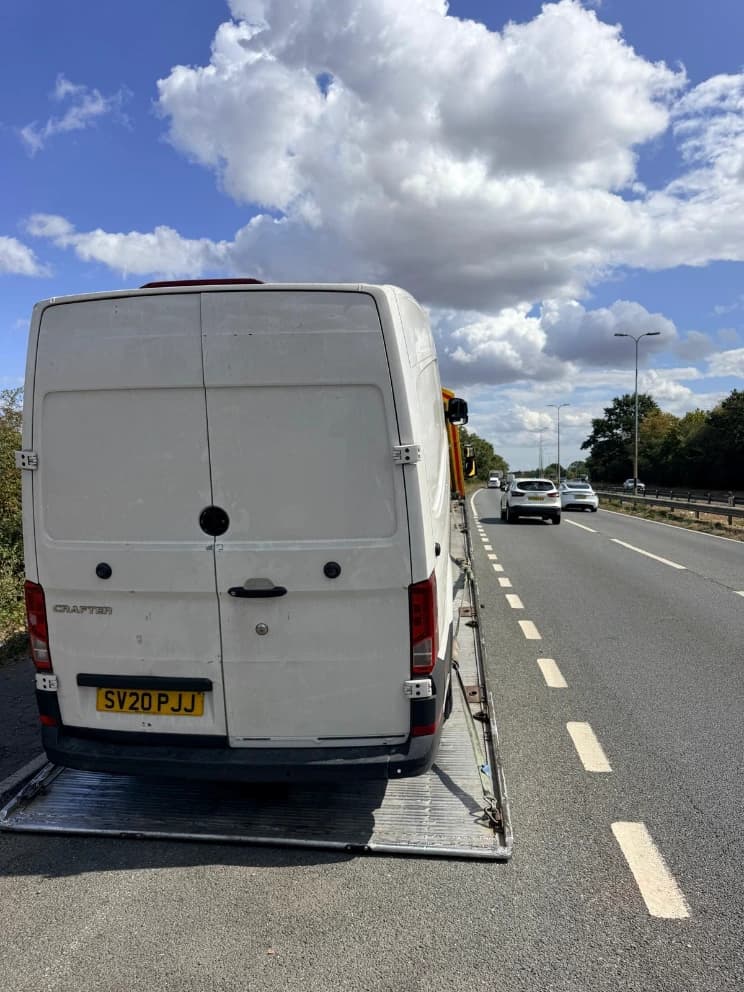
Support for common vehicle problems that leave a car or van unable to continue.
Learn More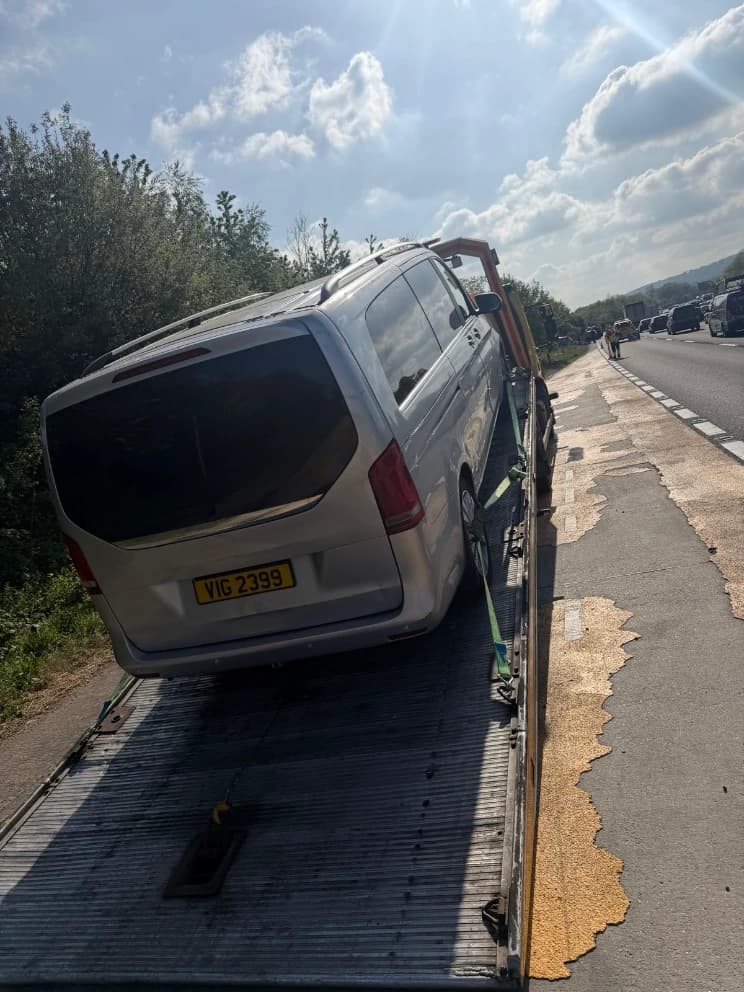
Breakdown Assistance
Recovery when a mechanical or electrical fault prevents the vehicle from continuing.
Learn More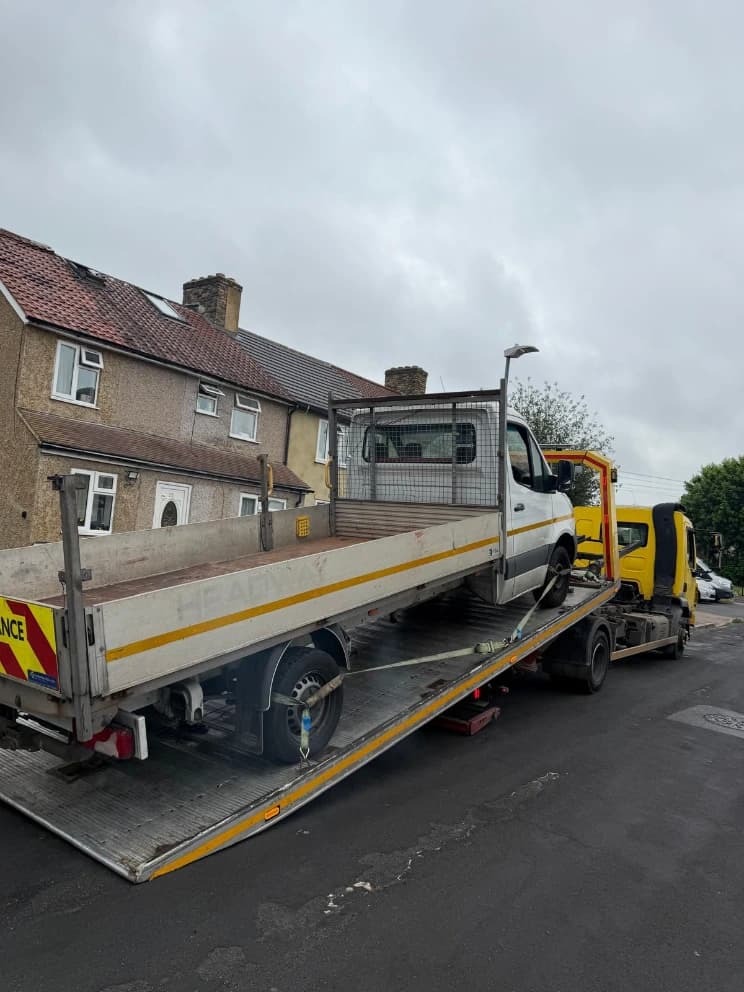
Vehicle Recovery
Transportation for non-starting, broken-down or damaged vehicles.
Learn MoreFrequently Asked Questions About Jump Starts
Do you provide 12V battery jump starts?
Yes. We can assist many suitable cars, vans and 4x4s using 12V battery systems.
Do you provide 24V jump starts?
We can assist certain suitable commercial vehicles using 24V systems. Provide the vehicle details before assistance is arranged.
How do I know if my battery is flat?
Common signs include clicking, slow cranking, dim lights or no response when attempting to start. These symptoms can also be caused by other faults.
Can a jump start damage my vehicle?
Incorrect voltage, polarity or connection points can damage electrical components. The correct vehicle procedure and equipment must be used.
Can you jump-start a vehicle with a damaged battery?
A battery that is cracked, leaking, swollen, frozen or producing a strong smell should not be jump-started.
Will a jump start fix my battery permanently?
No. A jump start only provides enough power to start the vehicle. A failing battery or charging-system fault requires further assessment.
What if my vehicle still does not start?
If a suitable jump-start attempt does not work, the vehicle may require breakdown recovery and transportation to a garage.
What vehicle details should I provide?
Provide the make, model, year, battery voltage where known and a clear description of what happens when you attempt to start the vehicle.
Request a Professional Battery Jump Start
Call AHS Recovery and explain the vehicle's starting symptoms. Provide the make, model, location and battery voltage where known so we can assess the appropriate next step.