Road Traffic Collision Recovery
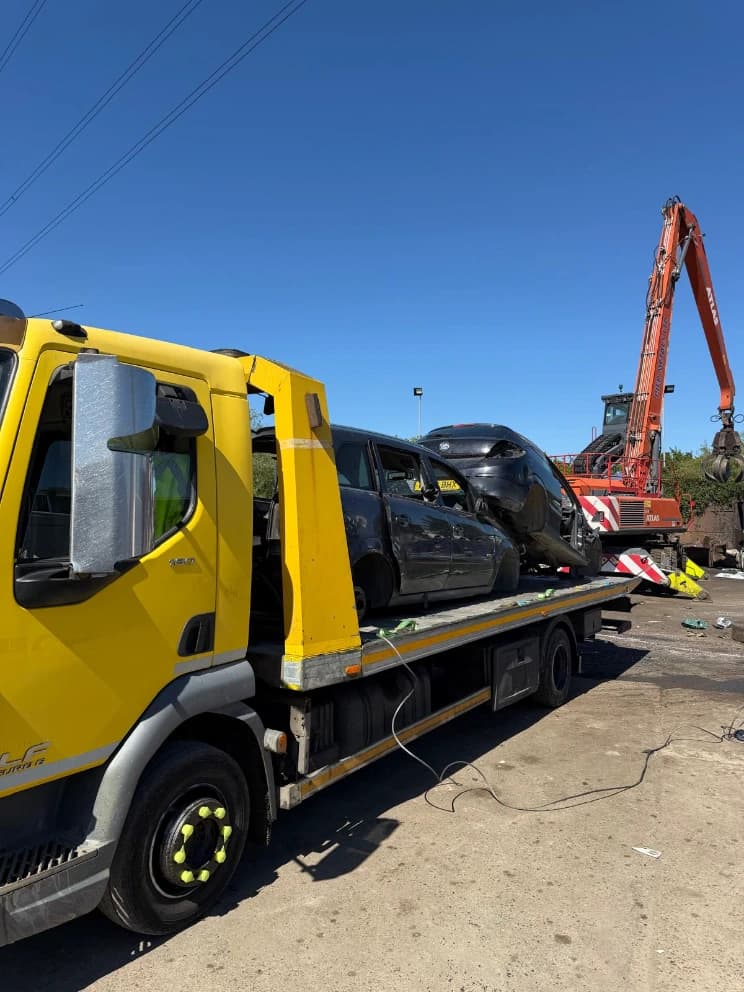
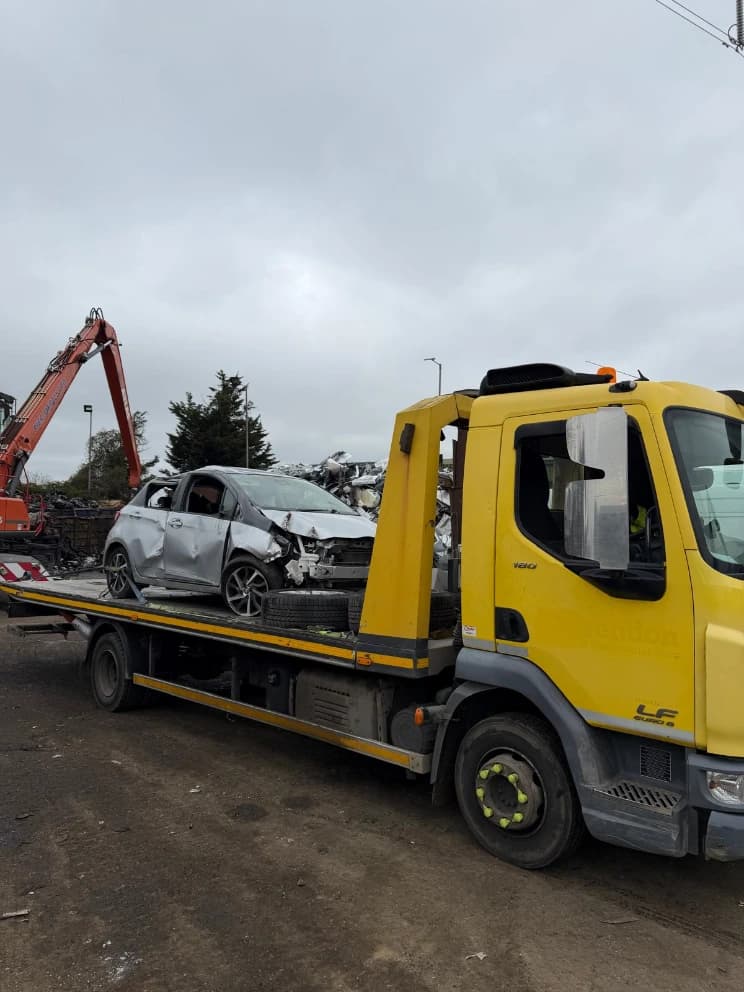
AHS Recovery provides professional RTC recovery for cars, vans and other suitable vehicles damaged in road traffic collisions. Once the scene is safe and vehicle removal is permitted, we assess the damage, position and access before arranging careful recovery and transportation.
Professional Recovery After a Road Traffic Collision
A road traffic collision can leave one or more vehicles damaged, unstable or unable to move safely. Wheels may be locked, suspension components may be broken and loose bodywork may make standard loading difficult.
RTC recovery begins only after emergency services have completed any necessary work and the vehicle is permitted to be removed. AHS Recovery then assesses the vehicle's condition, position and access before selecting the appropriate recovery method.
We can transport the recovered vehicle to an agreed garage, repair centre, storage facility, home or another suitable destination.
Need Recovery After a Road Traffic Collision?
Make sure you and your passengers are safe and follow instructions from emergency services. When vehicle removal is permitted, call AHS Recovery on 07576 614651 and provide the incident and vehicle details.
What to Do Following a Road Traffic Collision
Personal safety must come before vehicle recovery. Do not attempt to move a damaged vehicle when doing so could create further danger.
- 1Stop in a safe position where possible.
- 2Switch off the engine and activate the hazard warning lights.
- 3Check yourself, your passengers and others for injuries.
- 4Contact emergency services when anyone is injured or the scene is dangerous.
- 5Move away from traffic when it is safe.
- 6Do not stand between damaged vehicles.
- 7Stay clear of leaking fluids, broken glass and loose vehicle parts.
- 8Follow instructions from emergency services and road authorities.
- 9Do not move a vehicle until permission has been given where required.
- 10Contact AHS Recovery when recovery can begin safely.
This is general safety information. Instructions from police, emergency services and road authorities must always take priority.
Recovery for Different Collision Situations
The recovery approach depends on the number of vehicles involved, extent of damage, road position and available access.
Single-Vehicle Collisions
A vehicle may leave the road, hit an object or suffer damage without another vehicle being involved. Its position and stability must be assessed before movement.
Multi-Vehicle Collisions
Incidents involving several vehicles require clear access and coordination before recovery can begin.
Front or Rear Impact Damage
Impact damage may affect the engine, cooling system, bodywork, lights and structural components.
Side-Impact Damage
Side damage can affect doors, wheels, suspension and vehicle stability during loading.
Wheel and Suspension Damage
Broken or locked wheels may prevent a vehicle from rolling normally and require a different loading method.
Non-Starting Vehicles
Electrical, mechanical or impact damage may prevent a vehicle from starting after a collision.
Vehicles Blocking the Road
A damaged vehicle creating an obstruction can only be moved after the scene is safe and removal is authorised.
Post-Collision Transportation
Once recovered, the vehicle can be transported to an agreed garage, repair facility, storage location or another suitable destination.
Details to Provide When Requesting RTC Recovery
Accurate information helps us understand the collision scene, vehicle damage and recovery requirements.
Provide:
- Exact incident location
- Number of vehicles involved
- Vehicle make and model
- Approximate vehicle size and weight
- Position of the damaged vehicle
- Visible bodywork damage
- Condition of the wheels and tyres
- Whether the vehicle rolls
- Whether the steering works
- Whether the brakes operate
- Whether the engine starts
- Whether keys are available
- Details of leaking fluids
- Nearby debris or obstacles
- Access restrictions
- Whether emergency services are present
- Whether removal has been authorised
- Intended recovery destination
Photographs may help us assess the damage and access. Only take photographs from a safe position and never enter a live traffic area.
Our Road Traffic Collision Recovery Process
Secure the Scene
Emergency services and road authorities manage immediate safety where required.
Confirm Removal Is Permitted
Recovery begins only after the vehicle has been cleared for removal.
Contact AHS Recovery
Call 07576 614651 and provide details about the incident and vehicle.
Share Damage Information
Explain the vehicle's position, visible damage and whether it rolls, steers and brakes.
Recovery Assessment
We identify the appropriate recovery vehicle, equipment and loading method.
Vehicle Removal
The damaged vehicle is carefully loaded and secured.
Transportation
The vehicle is transported to the agreed garage, storage facility or other suitable destination.
Which Collision Recovery Service Do You Need?
AHS Recovery has separate pages for standard accident recovery, RTC recovery and specialist accident recovery. Each page targets a different type of recovery situation.
Accident Recovery
Suitable for the standard collection and transportation of an accident-damaged car or van after the immediate incident has been managed.
Learn MoreRTC Recovery
Suitable for road traffic collision situations where the road scene, number of vehicles or vehicle position requires additional assessment before removal.
Specialist Accident Recovery
Suitable for severely damaged, overturned, inaccessible or difficult-to-load vehicles that may require specialist equipment or extraction.
Learn MoreIf you are unsure which service is required, provide complete incident details and photographs where it is safe to do so.
A Careful Approach to Collision Vehicle Recovery
Collision-damaged vehicles can contain unstable parts and hidden mechanical damage. Each vehicle must be assessed before it is moved.
Scene and Access Assessment
We consider the vehicle's location, position, surrounding obstacles and available recovery access.
Damage Assessment
Visible wheel, suspension, bodywork and mechanical damage is reviewed before loading.
Suitable Recovery Method
The recovery approach is selected according to the condition and position of the vehicle.
Agreed Transportation
The recovered vehicle is transported to a destination confirmed before removal.
Related Accident Recovery Services
Accident Recovery
Standard recovery and transportation for suitable accident-damaged vehicles.
Learn More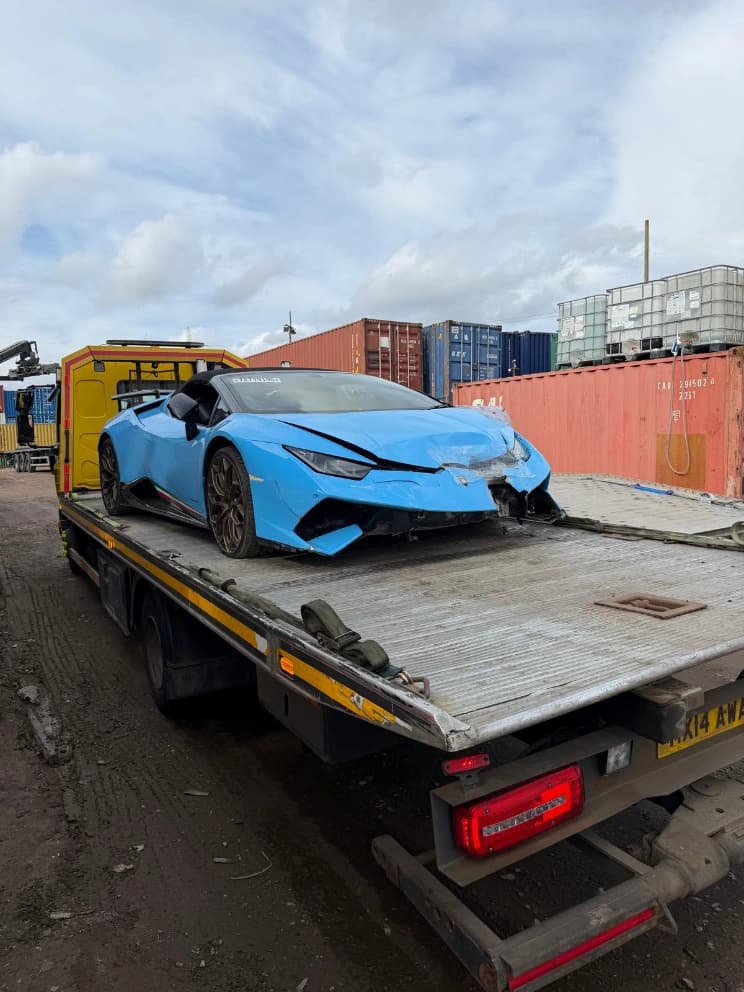
Specialist Accident Recovery
Recovery for severely damaged vehicles and complex extraction situations.
Learn More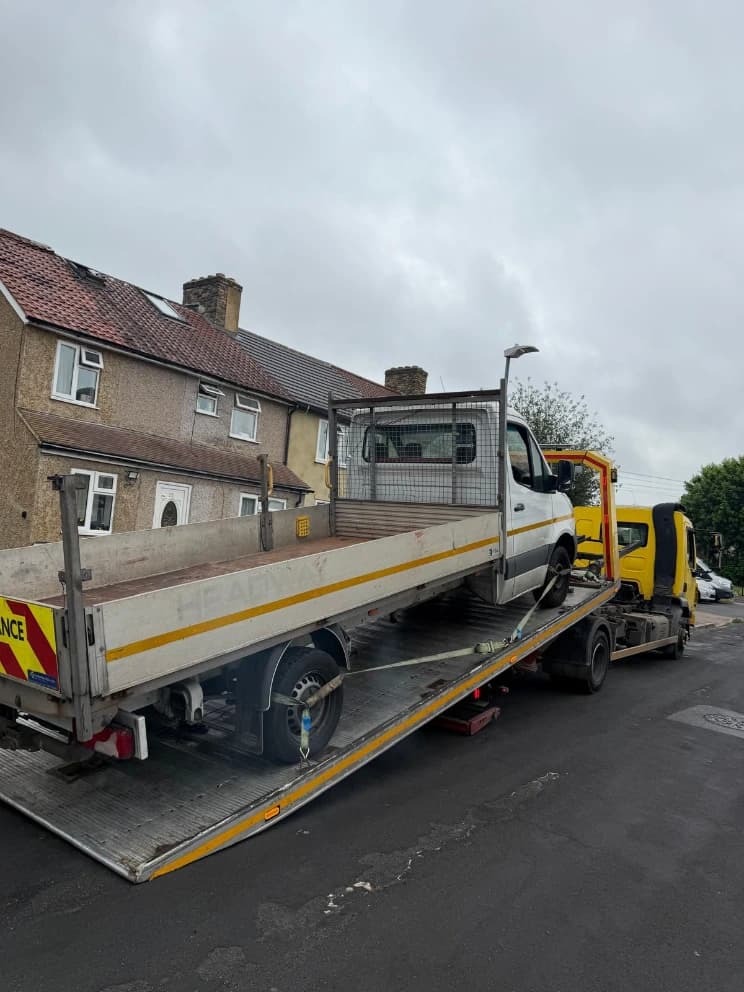
Vehicle Recovery
Transportation for broken-down, damaged and non-running vehicles.
Learn MoreFrequently Asked Questions About RTC Recovery
What does RTC recovery mean?
RTC recovery means removing and transporting vehicles involved in a road traffic collision after the scene is safe and removal is permitted.
When can vehicle recovery begin?
Recovery can begin after emergency services and relevant authorities have completed their work and permitted the vehicle to be moved.
Can you recover a vehicle with damaged wheels?
Many vehicles with damaged or locked wheels can be recovered, but additional equipment may be required. Provide clear information and photographs where possible.
Can you recover more than one vehicle?
Multi-vehicle incidents require individual assessment. Tell us how many vehicles are involved and provide details about each one.
Where can the damaged vehicle be taken?
The vehicle can be transported to an agreed garage, repair centre, storage facility, home or another suitable destination.
What information should I provide?
Provide the location, vehicle type, visible damage, position, wheel condition, access details and intended destination.
What is the difference between RTC recovery and accident recovery?
Accident recovery generally covers standard collection of an accident-damaged vehicle. RTC recovery focuses on vehicles involved in road traffic collision scenes that may require more detailed scene assessment.
When is specialist accident recovery needed?
It may be required for severely damaged, overturned, inaccessible or difficult-to-load vehicles.
Arrange Professional RTC Recovery
Once the collision scene is safe and vehicle removal is permitted, call AHS Recovery. Provide the incident location, vehicle condition and intended destination so we can assess the recovery requirements.